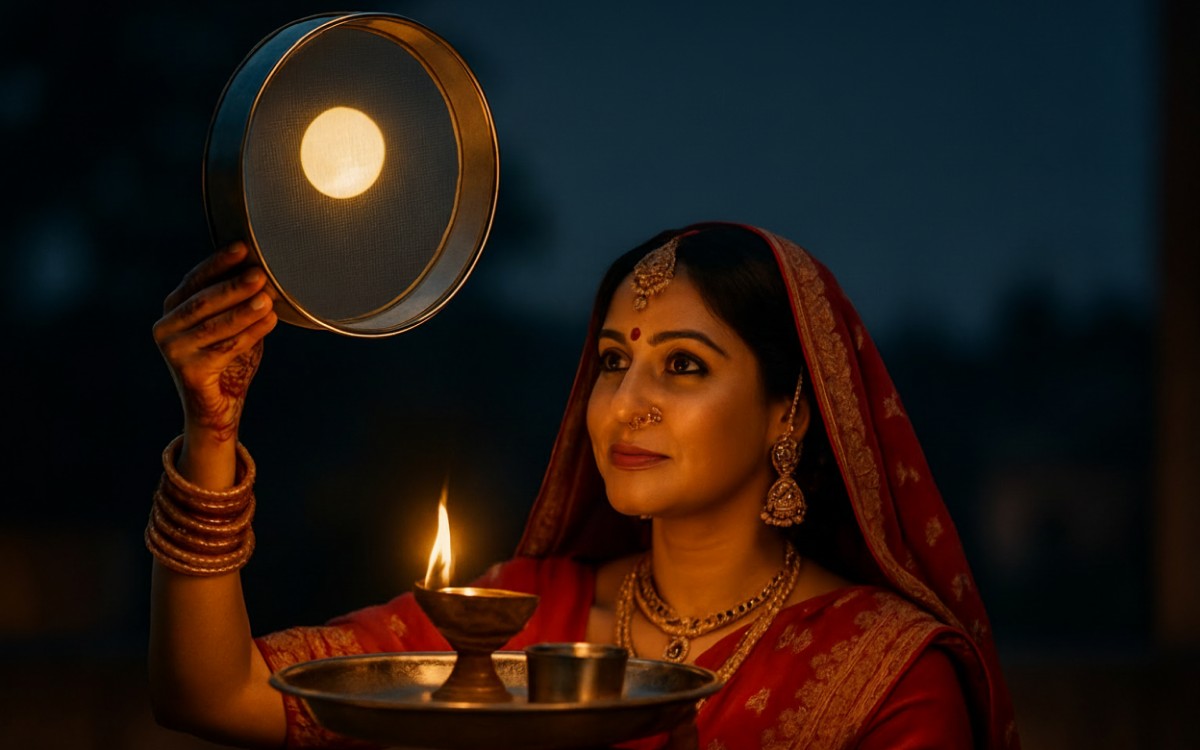
You may prepare for Karva Chauth with a mix of excitement and devotion each year. This cherished festival falls on the fourth day of the waning moon in Kartik month, typically in October or November. Married women observe it to pray for their husbands’ long life and well-being. Rooted in Hindu customs, it highlights love, sacrifice, and spiritual bonds. As you fast from dawn till moonrise, you connect with generations of women who have upheld this ritual.
The Historical Roots You Might Not Know
You can trace Karva Chauth back to ancient times through stories in Hindu texts and folklore. One popular tale features Queen Veeravati, a devoted wife from a merchant family. On her first Karva Chauth after marriage, she fasted for her brother, who was ill. Exhausted, she saw a false moon created by her brothers and broke her fast early. Her husband died as a result, teaching the lesson of strict observance. Sages revived him, but she became a stone, symbolising unwavering commitment.
Legends also link the festival to Draupadi from the Mahabharata. When the Pandavas faced hardship in exile, she sought Lord Shiva’s blessings for Arjuna’s safety. Shiva advised her to keep a nirjala fast, sipping no water, just as you do today. These stories emphasise how you, as a wife, channel prayers for protection and prosperity.
Historians note that Karva Chauth echoes pre-Vedic harvest rituals. “Karva” refers to a clay pot used to hold water or sweets, while “Chauth” marks the lunar day. Over centuries, it evolved into a marital vow renewal. Archaeological finds from northern regions show similar fasting practices dating back 2,000 years, blending agrarian cycles with family devotion.
Rituals That Guide Your Day
You start your Karva Chauth with the sankalp, or vow, at dawn. Bathe early, wear traditional attire like a red saree or lehenga, and adorn yourself with sixteen shringar items: bindi, kajal, mehndi, and more. These enhance your beauty as a symbol of auspiciousness.
The nirjala vrat begins with sargi, a pre-dawn meal sent by your mother-in-law. It includes sweets, fruits, and nuts for energy throughout the day. You avoid food and water until the moon appears, focusing on prayers. In the afternoon, you gather with other women for the karva katha recitation. An elder narrates stories of devotion, such as that of Karva, a girl who saved her husband from death by spotting the moon first through her sieve.
As evening nears, you perform puja. Fill a karva with water, sweets, and a thali with diyas and flowers. Facing north, you offer prayers to Lord Shiva, Parvati, and Ganesha. The highlight comes when you view the moon through a sieve, offer it water, then turn to see your husband’s face. Only then do you break the fast with his blessing, sharing food with family.
Regional touches vary. In Punjab, you exchange karva pots filled with gifts. In Uttar Pradesh, you wear a silver karva around your neck. These steps strengthen your marital harmony.
Spiritual Depth Behind Your Fast
Karva Chauth is more than a custom; it carries profound spiritual weight in Hindu practice. Fasting purifies the body and mind, aligning with Upanishadic principles of self-discipline. By forgoing food and water, you practice tapas, or austerity, which Hindu scriptures describe as a path to divine favour.
The vrat honours the concept of saubhagya, or marital bliss. Hindu philosophy views marriage as a sacred duty, with the wife as ardhangini, the husband’s half. Your fast invokes blessings from deities like Kartikeya (son of Shiva) and Chauth Mata, guardians against misfortune. Texts such as the Skanda Purana mention similar vrats for longevity, linking your observance to cosmic balance.
Moon worship adds layers. The moon governs emotions and fertility in Hindu cosmology. Seeing it for the first time symbolises clarity and renewal, just as it does when you renew your vows. This ritual fosters bhakti, devotion, that transcends the physical, reminding you of life’s impermanence and the power of selfless love.
How It Strengthens Bonds in Your Life
You find Karva Chauth weaving families closer. It brings mothers-in-law and daughters-in-law together in preparation, sharing stories and laughter. The evening puja becomes a community event where you give clothes, jewellery, and sweets, reinforcing kinship.
For your marriage, it acts as a reminder of mutual support. When their wives are fasting, husbands often give them bangles or a gold coin to acknowledge their effort. Modern couples adapt it thoughtfully; some men join symbolic fasts, showing equality in devotion. This evolution keeps the essence alive while fitting contemporary lives.
Socially, it builds resilience. You draw strength from collective observance, creating networks of women who understand the day’s demands. Post-fasting feasts with pheras (circling the moon) celebrate unity, turning a solemn day into joyful togetherness.
Health Insights for Your Vrat
You should prepare your body wisely for the 12-14-hour fast. Hydrate well before sargi, choosing electrolyte-rich foods like coconut water or soaked almonds. Avoid caffeine to prevent dehydration. During the day, rest in shaded areas and engage in light activities, such as chanting mantras, to distract from hunger.
Post-moonrise, break the fast gently with fruits, then a light meal of kheer or halwa. Ayurveda recommends including saffron milk for its cooling properties. Recent wellness studies affirm that intermittent fasting, like yours, boosts metabolism and mental focus when done occasionally. Consult a doctor if you have conditions like diabetes to ensure safety.
Karva Chauth in Your Modern World
You can effortlessly balance tradition with today’s pace. Digital tools help; apps can track moonrise times precisely for your city. Online stores deliver puja kits, making preparation simple. Virtual kathas let distant relatives join, bridging gaps.
Couples in urban homes host smaller gatherings, focusing on intimacy. Some incorporate eco-friendly touches, like clay diyas over plastic. The festival adapts, yet you preserve its core: gratitude for your partner’s presence.
In 2025, observances featured creative twists, such as moon-themed decor with LED lights, blending heritage with flair. You continue this, passing it to the next generation.
A Timeless Ritual for Your Journey
Karva Chauth enriches your life with purpose. Through its rituals, stories, and shared moments, you honour enduring values of love and faith. As the moon rises, your prayers affirm the sacredness of marriage in Hindu practice. Embrace it fully; it connects you to a legacy of strength and joy.