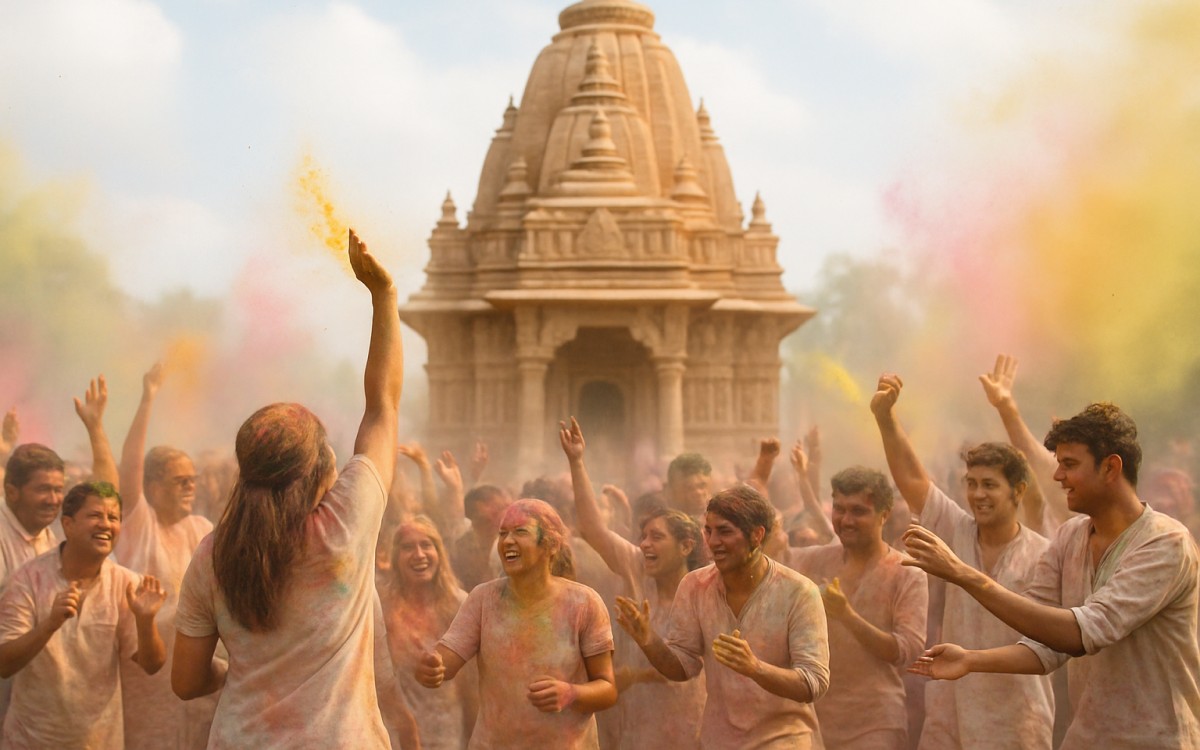
Holi is widely known for its vibrant colours and joyful celebrations, but its deeper meaning goes beyond festive expression. In Hindu tradition, Holi represents renewal, inner cleansing, and the triumph of positive forces over negativity. The festival brings together symbolic rituals, shared experiences, and spiritual reflection, creating a meaningful balance between celebration and introspection. Understanding its spiritual significance offers a deeper appreciation of how Holi continues to reflect enduring values and timeless principles.
The Deeper Meaning Behind Holi
At its core, Holi is not just a seasonal festival but a reminder of transformation and renewal. It marks a shift, both in nature and within individuals. As the season changes, the festival encourages letting go of past burdens and embracing a fresh beginning.
This sense of renewal is reflected in both rituals and behaviour. The act of celebrating together symbolises harmony, while the spiritual aspect lies in releasing negativity and moving towards clarity and balance.
The Symbolism of Holika Dahan
One of the most important elements of Holi is Holika Dahan, which takes place on the eve of the main celebration. This ritual involves lighting a bonfire, symbolising the removal of negative influences and the protection of positive values.
The fire represents purification. It is seen as a way of leaving behind what no longer serves a meaningful purpose and making space for growth. The act of gathering around the fire also reflects a shared intention of renewal within the community.
Colours as a Symbol of Unity and Joy
The use of colours during Holi carries symbolic meaning beyond celebration. Colours represent diversity, energy, and the vibrancy of life. Applying colours to one another reflects acceptance and equality, where differences fade, and shared joy becomes the focus.
This act also carries a spiritual message of letting go of barriers. When individuals come together in celebration, social distinctions become less significant, highlighting a sense of unity and connection.
Holi and the Idea of Inner Cleansing
Holi encourages individuals to reflect inward and release emotional burdens. Just as the bonfire symbolises external cleansing, the festival also represents internal purification.
Letting go of resentment, misunderstandings, and past negativity aligns with the spiritual message of Holi. This process creates space for positive thoughts, renewed relationships, and a more balanced mindset.
The celebration, therefore, becomes not only external but also deeply personal.
The Role of Forgiveness and Renewal
A key aspect of Holi’s spiritual significance is the emphasis on forgiveness. The festival encourages people to reconnect, resolve differences, and start anew.
Seeking forgiveness and offering it in return helps restore harmony in relationships. This aligns with the broader theme of renewal, where individuals are encouraged to move forward without carrying past grievances.
Such practices strengthen both personal connections and community bonds.
Holi as a Celebration of Positive Energy
Holi reflects the idea that positivity and goodness ultimately prevail. This theme is embedded in its rituals and collective celebrations.
The joyful atmosphere, music, and shared experiences create a sense of upliftment. This energy is not limited to celebration but also supports a deeper sense of emotional and spiritual well-being.
By focusing on positivity, Holi reinforces the importance of maintaining a balanced and hopeful outlook.
Community and Togetherness
Holi brings people together in a way that few festivals do. It creates an environment where individuals from different backgrounds participate in shared experiences.
This sense of togetherness reflects a deeper spiritual value of unity. When people celebrate collectively, it strengthens social connections and fosters mutual respect.
The festival encourages inclusiveness and reminds individuals of the importance of community support.
Spiritual Expression Through Simple Practices
Holi does not rely on complex rituals alone. Its spiritual meaning is often expressed through simple acts such as sharing food, applying colours, and spending time with others.
These practices highlight that spirituality can be experienced in everyday actions. The emphasis is on intention rather than form, making the festival accessible to all.
This simplicity allows the deeper message of Holi to remain relevant across generations.
Balancing Celebration and Reflection
While Holi is widely known for its festive energy, it also carries an element of reflection. The balance between joy and introspection is what gives the festival its depth.
Celebration allows individuals to express happiness and connection, while reflection encourages awareness and personal growth. Together, these elements create a meaningful experience that goes beyond surface-level enjoyment.
Relevance in Modern Life
In modern times, the spiritual significance of Holi continues to remain relevant. The need for renewal, forgiveness, and emotional balance is as important as ever.
Even as celebrations evolve, the core values of the festival remain unchanged. Holi serves as a reminder to pause, reflect, and reconnect with both oneself and others.
Adapting these principles to daily life helps maintain a sense of balance in an increasingly fast-paced environment.
A Timeless Tradition of Meaning and Connection
The enduring relevance of Holi lies in its ability to combine celebration with deeper meaning. Its rituals and practices are rooted in values that continue to resonate across generations.
The festival offers an opportunity to step away from routine and engage in meaningful experiences that promote harmony and positivity.
Conclusion
Holi, in Hindu tradition, is far more than a festival of colours. It represents renewal, unity, and the importance of letting go of negativity. Through its rituals and shared experiences, it encourages individuals to embrace balance, forgiveness, and positivity.
By understanding its spiritual significance, the celebration becomes more meaningful. Holi continues to remind people of the value of connection, reflection, and renewal, making it a timeless expression of both joy and inner growth.