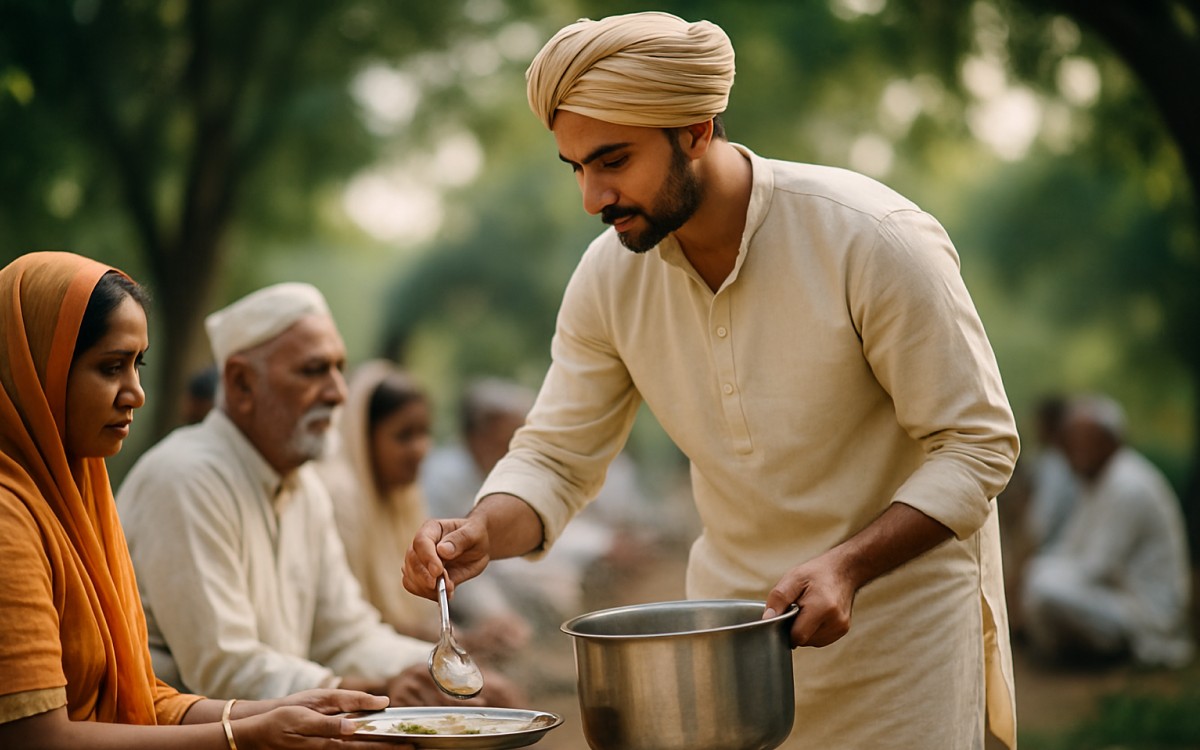
Seva, often understood as selfless service, represents a deeply rooted cultural and spiritual principle centred on acting without expectation of reward. More than an occasional act of charity, it reflects a way of living grounded in humility, compassion, and responsibility towards others. Practised across traditions and daily life, seva connects individual growth with collective wellbeing, offering a framework through which simple actions can contribute to ethical behaviour and social harmony.
Understanding Seva in Practice
At its core, seva extends beyond the idea of helping others. It involves offering time, effort, or resources without seeking recognition or personal gain. The defining feature is not the scale of the action, but the intention behind it. When an act is performed with sincerity and detachment, it transforms into meaningful service.
This perspective shifts the focus from outcomes to purpose. Whether the contribution is small or significant, its value lies in the mindset that accompanies it. By removing expectations of reward, seva allows individuals to engage more fully in the act itself, fostering a sense of interconnectedness and purpose.
Seva in Everyday Life
Seva is most visible not in grand gestures, but in consistent, everyday actions. Helping a neighbour, supporting a colleague, or offering time to assist in community activities are all expressions of this principle. These acts may appear routine, yet they carry deeper significance when performed selflessly.
Within households, seva can take the form of caring for family members, sharing responsibilities, or providing emotional support. In professional settings, it is reflected in collaboration, mentorship, and a willingness to assist others without seeking personal advantage. Through such practices, ordinary interactions become opportunities to cultivate empathy and cooperation.
Historical and Cultural Foundations
Roots in Philosophical Thought
The idea of seva is closely linked to hindu traditions that emphasise selfless action. It aligns with the concept of karma yoga, which encourages performing duties without attachment to results. Within this framework, everyday responsibilities—whether personal, professional, or social—can become pathways to growth when approached with the right intention.
This integration of service into daily life makes seva both practical and accessible. It does not require withdrawal from routine responsibilities; instead, it redefines them as meaningful contributions when performed with sincerity and awareness.
Role in Community Building
Communities shaped by the values of seva often demonstrate strong social cohesion. Collective efforts such as organising shared meals, maintaining common spaces, or supporting individuals in need reflect a collaborative spirit rooted in service.
Participation in such activities fosters trust and mutual respect among individuals. Over time, these shared experiences strengthen networks of support, enabling communities to respond to challenges with unity and resilience. The emphasis on collective well-being ensures that service becomes a shared responsibility rather than an individual effort.
Continuity Across Generations
The enduring relevance of seva is largely sustained through generational transmission. Elders pass down stories, practices, and values that highlight the importance of selfless action. These narratives provide practical examples of how service contributes to both personal fulfilment and communal harmony.
Younger generations, in turn, reinterpret these principles within contemporary contexts. Whether through organised volunteering, social initiatives, or informal acts of kindness, the essence of seva remains intact. Its adaptability ensures that the concept continues to evolve while preserving its foundational values.
Seva in Cultural Expression
Cultural practices frequently embed seva within their structure. Festivals, ceremonies, and gatherings often include acts of service such as preparing food, assisting participants, or contributing to shared responsibilities. These activities reinforce the idea that celebration and service are interconnected rather than separate.
Beyond rituals, artistic expressions also reflect the values associated with seva. Literature, storytelling, and performance often highlight characters who embody selflessness, illustrating the transformative impact of their actions. Through such mediums, the principle of seva is preserved and communicated across contexts.
The Ethical Framework of Seva
Acting Without Expectation
A defining aspect of seva is the absence of personal gain. Actions are undertaken without anticipation of praise, recognition, or material benefit. This approach creates a sense of clarity, allowing individuals to focus on the intrinsic value of the act itself.
By detaching from outcomes, one reduces the potential for disappointment and develops a more balanced perspective. The act becomes meaningful in its own right, independent of external validation.
Cultivating Humility
Seva encourages a shift away from self-centred thinking. Rather than seeking acknowledgement, individuals become part of a broader system of mutual support. This perspective fosters humility and reduces ego-driven behaviour.
Over time, such an approach enhances interpersonal relationships. Interactions become more respectful and grounded, contributing to a more harmonious social environment.
Embracing Responsibility
Service within the framework of seva is closely tied to a sense of duty. Supporting others is viewed not as an obligation imposed from outside, but as a natural extension of belonging to a community.
This sense of responsibility promotes cooperation and awareness. Individuals become more attentive to the needs around them, strengthening social bonds and encouraging collective participation.
Personal Development Through Seva
Engaging in selfless service contributes significantly to personal growth. By focusing on the needs of others, individuals develop greater emotional awareness and empathy. This heightened sensitivity improves communication and deepens relationships.
Consistency in service also builds discipline. Regular participation in acts of seva requires commitment, which gradually strengthens reliability and accountability. These qualities often extend into other areas of life, enhancing overall effectiveness.
Additionally, seva promotes inner balance. By reducing excessive focus on personal achievements or recognition, it helps manage stress and maintain emotional stability. Aligning actions with values often leads to a deeper sense of fulfilment.
Seva and Social Harmony
Creating Inclusive Environments
Seva plays a vital role in fostering inclusivity. When individuals contribute without discrimination, it encourages equal participation and mutual respect. This approach helps bridge social differences and creates a more cohesive environment.
Supporting Collective Wellbeing
A system rooted in selfless service ensures that efforts and resources are directed where they are most needed. This collective support strengthens resilience within communities, reducing the risk of isolation or neglect.
Encouraging Shared Participation
When service becomes a shared value, more individuals are motivated to take initiative. This reduces reliance on a limited group and promotes active involvement across the community. As a result, social systems become more sustainable and adaptable.
Relevance in Contemporary Life
Despite evolving lifestyles and social structures, the principle of seva remains highly relevant. Its adaptability allows it to fit seamlessly into modern contexts, from structured volunteering to everyday interactions.
In addressing social challenges, seva offers a practical approach rooted in collective action. When individuals contribute without expectation, solutions become more collaborative and inclusive. This reduces dependence on external systems and encourages self-sufficiency within communities.
Seva represents more than an act of kindness; it is a guiding principle that shapes behaviour, relationships, and communities. Rooted in philosophical and cultural traditions, it emphasises selflessness, humility, and responsibility. By integrating seva into daily life, individuals contribute not only to the wellbeing of others but also to their own personal development. Its simplicity ensures accessibility, while its depth sustains its relevance, making it a timeless foundation for both individual fulfilment and social harmony.